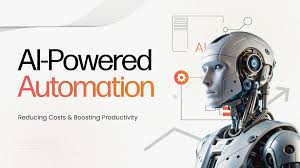
Artificial Intelligence and automation are rapidly redefining how technology interacts with people, systems, and businesses. What once required manual effort and constant supervision can now be handled by intelligent systems that learn, adapt, and improve over time. This evolution is changing not only how tasks are performed, but also how value is created in the digital ecosystem.
AI-driven automation focuses on enhancing decision-making rather than simply replacing human effort. Modern systems are capable of analyzing patterns, predicting outcomes, and optimizing workflows in real time. This makes automation smarter, more flexible, and capable of handling tasks that involve uncertainty or complex data.
In the technology sector, AI-powered automation plays a critical role in improving efficiency and scalability. Cloud platforms use automated resource management to balance workloads and reduce operational costs. Cybersecurity systems rely on AI to detect threats early, analyze abnormal behavior, and respond to risks faster than traditional security methods. These intelligent safeguards help organizations stay protected in an increasingly connected world.
Content creation and digital marketing have also benefited greatly from AI automation. Tools powered by AI can analyze user behavior, automate content distribution, and personalize digital experiences. From email campaigns to website recommendations, automation ensures that the right message reaches the right audience at the right time. This data-driven approach increases engagement while minimizing manual intervention.
AI and automation are also shaping the future of education and skill development. Adaptive learning platforms analyze student progress and customize learning paths based on individual strengths and weaknesses. Automated assessment tools provide instant feedback, helping learners improve faster. This personalized approach makes education more accessible and effective across different learning styles.
Another major advantage of AI-driven automation is accuracy and consistency. Automated systems reduce human error in tasks such as data processing, financial reporting, and quality control. In industries like manufacturing and logistics, intelligent automation improves precision, reduces waste, and ensures smoother operations. These improvements directly impact productivity and long-term growth.
Despite the many benefits, responsible implementation of AI and automation remains essential. Businesses must consider ethical use, data security, and transparency when deploying intelligent systems. Human oversight is crucial to ensure that automated decisions remain fair and aligned with real-world needs. The goal is not to remove humans from the process, but to enhance human capabilities through intelligent support.
As technology continues to advance, AI and automation will become more deeply integrated into everyday tools and services. The future lies in collaboration between humans and intelligent machines, where creativity, critical thinking, and automation work together. Embracing this balance will be key to building sustainable and innovative digital solutions.
