
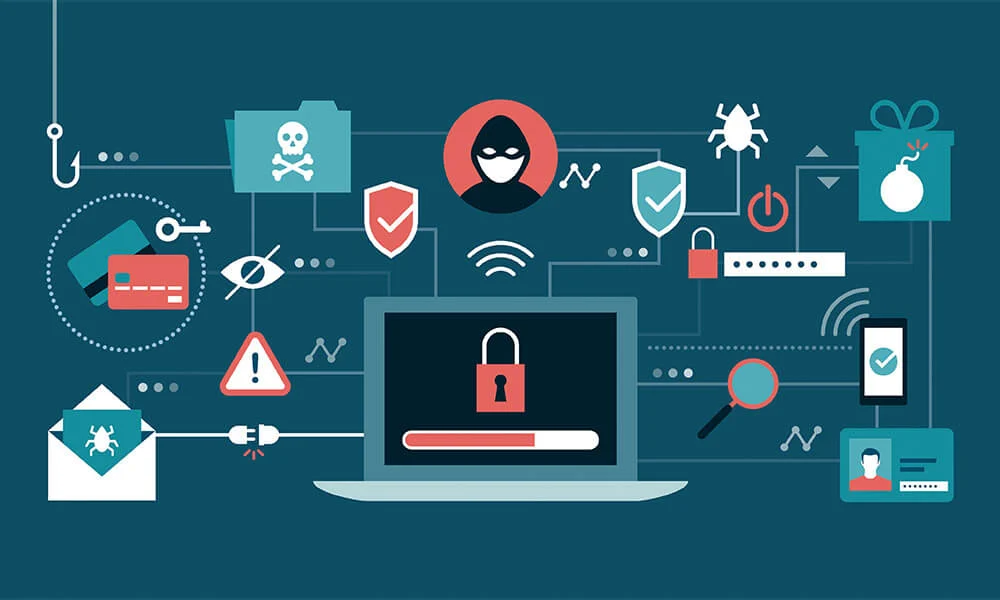
As digital transformation accelerates across industries, cyber security has become a critical pillar of modern technology. Every device connected to the internet creates new opportunities for innovation, but it also introduces potential risks. Cyber security focuses on protecting digital ecosystems from threats that can compromise data, systems, and user trust.
In a hyper-connected world, cyber attacks are no longer limited to large organizations. Small businesses, freelancers, and individual users are equally exposed. Attackers often exploit weak security practices such as unsecured networks, outdated software, or poor access controls. Strengthening these basic areas significantly reduces the likelihood of digital breaches.
One of the most important aspects of cyber security is identity protection. Digital identities are used to access emails, applications, cloud platforms, and financial services. When identity systems are compromised, attackers can gain control over multiple services at once. Implementing identity management solutions, access restrictions, and verification layers helps prevent unauthorized access and limits damage.
Application security has also become a major focus area. Modern applications rely on APIs, third-party integrations, and cloud services, which can introduce vulnerabilities if not properly secured. Cyber security practices such as secure coding, vulnerability testing, and continuous monitoring help identify risks early in the development lifecycle. This proactive approach ensures safer and more reliable software.
Network visibility plays a crucial role in cyber defense. Monitoring data flow across systems allows organizations to detect unusual behavior before it escalates into a serious threat. Real-time alerts and behavior analysis help security teams respond quickly to potential intrusions. Visibility enables faster containment and reduces the overall impact of attacks.
Another critical component of cyber security is data lifecycle protection. Data must be secured not only during storage but also while being transferred or processed. Encryption, access segmentation, and controlled data sharing ensure that sensitive information remains protected throughout its lifecycle. This is especially important for industries handling confidential or regulated data.
Cyber security also supports business continuity. Disruptions caused by cyber incidents can halt operations, impact customers, and result in financial losses. Strong security planning ensures systems remain available and recoverable even during adverse events. Resilient systems allow organizations to maintain stability and confidence in their digital services.
As technology continues to advance, cyber security will evolve alongside it. The future will demand adaptive defenses that can respond to changing threat patterns. Security strategies will focus on anticipation, rapid response, and continuous improvement. Ultimately, cyber security is about enabling safe innovation while protecting the digital foundation that modern technology depends on.
